
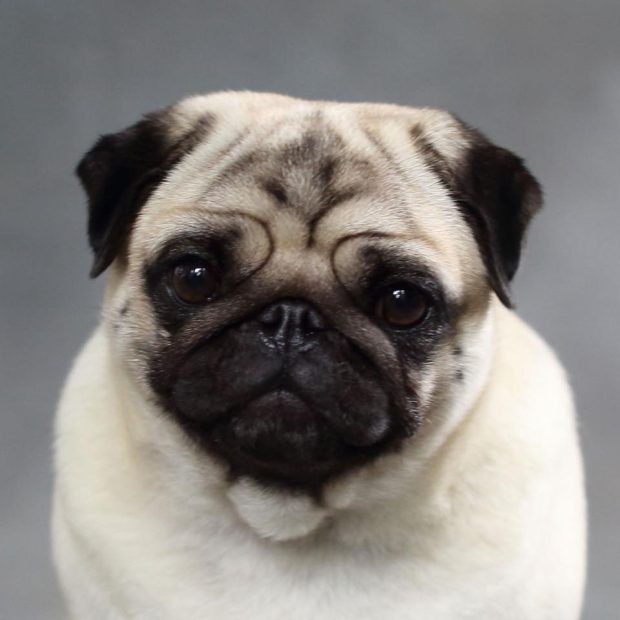
It’s called a “button ear,” and it’s a type of semi-erect ear in which the lower portion stands upright while the upper portion folds forward toward the eye, creating a neat flap that covers the ear canal.
Button ears are often confused with rose ears, but they are structurally different. A button ear folds forward and downward, covering the ear canal. A rose ear folds backward and outward, exposing part of the inner ear or “burr.” The forward fold of a button ear may also have offered practical protection against dirt, debris, and insects in working terriers bred to pursue quarry into dense cover or underground burrows.
The genetics behind canine ear shape are complex and not fully understood. Studies have identified genetic regions associated with ear carriage, particularly on chromosome 10 near the MSRB3 gene, which has been strongly linked to erect versus drop ears. Other genes involved in body size and morphology, including HMGA2, may also contribute to ear form. Researchers believe ear type is polygenic, with multiple genes influencing the final shape, size, carriage, cartilage strength, and overall morphology of the ear
All puppies are born with closed ear canals and soft, floppy ears, regardless of their eventual adult ear type. As puppies grow, the cartilage gradually strengthens and begins to assume its genetically influenced shape. During teething—typically between three and seven months of age—many puppies experience temporary changes in ear carriage. As adult teeth push through, localized inflammation and shifting tension in the jaw and cranial muscles can pull on the base of the ear. Consequently, ears may rise, tip, flop unevenly, or change position from week to week while the puppy matures.
One persistent myth claims that calcium is “diverted” from the ears during teething, causing ears to soften or collapse. While ear changes during teething are real, there is little scientific evidence that calcium redistribution is the direct cause. Ear cartilage is not bone, and routine calcium supplementation does not reliably influence ear carriage. In fact, excessive calcium supplementation can be harmful to growing puppies, particularly large breeds.
Breed standards place great importance on correct ear carriage in many terrier breeds, and correct button ear carriage is important enough in conformation competition that some breeders and exhibitors use “ear training”—sometimes called ear setting or ear gluing—during puppyhood. This process gently supports the ear in the desired position while the cartilage is still developing. Ear training does not change a dog’s genetics; rather, it encourages naturally soft, developing cartilage to settle into the preferred carriage during growth. Some puppies develop ideal button ears naturally, while others never do, reflecting the wide genetic variation that exists even within breeds where the trait is considered standard.
Image: Photo of Edee, a most awesome Pug, taken by deBree Portraits and shared with the kind consent of Brittney E Coleman