Scroll down for a little traveling music (and a whole lot of silly) to get us in the mood for this post:
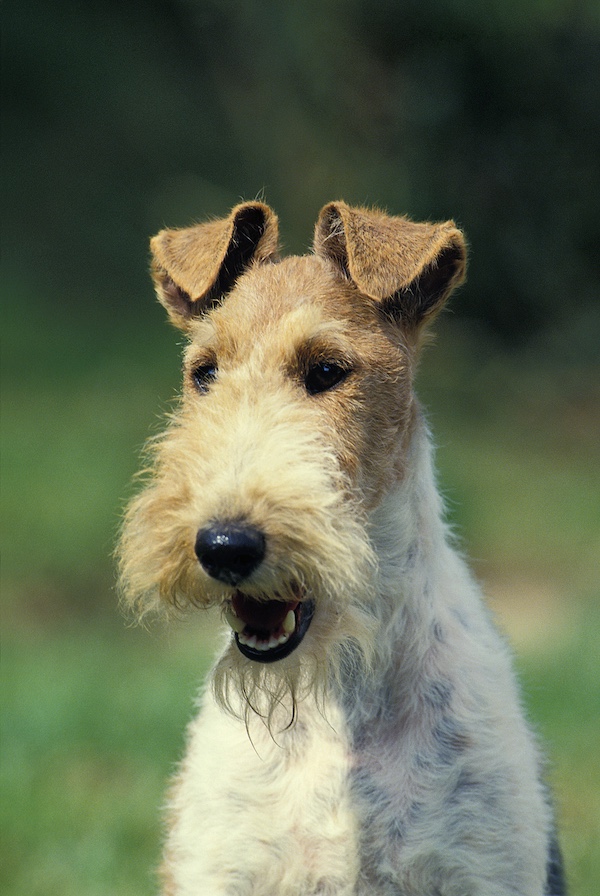
As of this writing, and to the best of our knowledge, the Wire Fox Terrier breed standard remains the only standard in the world that mentions the word, “coconut.” It refers to the tendency of the hair on the breed’s coat to twist and appear broken – just like the “hair” on a coconut. The hairs grow together so closely and strongly that when they are parted, the dog’s skin can’t be seen. The roots of these stiff hairs form the undercoat, which is shorter, finer, and softer. A curly coat in this breed is a “no-no.”
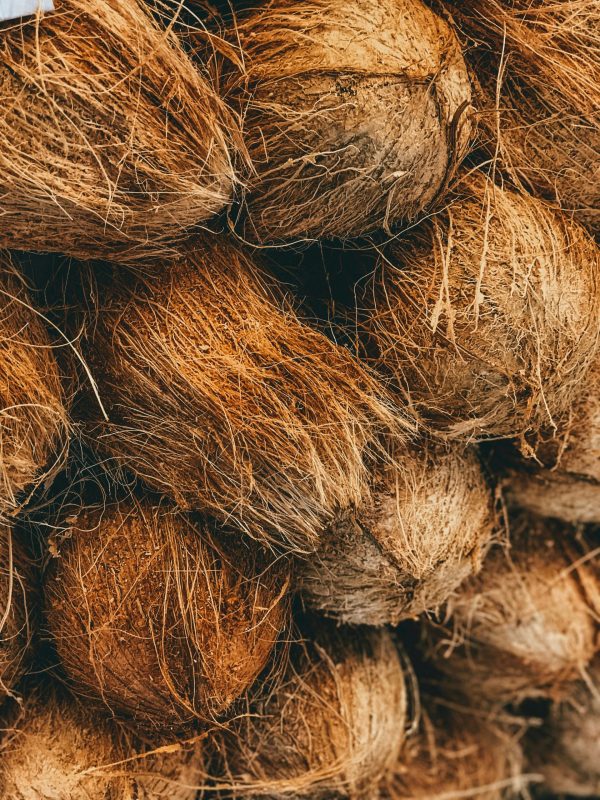
Photo by Sri Lanka/Unsplash
This unique coat type is primarily the result of specific genetic variants that control hair length, texture, and the presence of facial furnishings. The most important gene involved is RSPO2, which, when present in its dominant form, produces the harsh, wiry coat and the distinctive facial furnishings (such as the lovable long eyebrows and a beard) that are characteristic of the breed. Another gene, FGF5, influences coat length; Wire Fox Terriers typically have the dominant, short-coat variant, which contributes to their dense and harsh outer coat. The KRT71 gene affects whether the hair is straight, wavy, or curly. In Wire Fox Terriers, the ancestral (non-curly) variant of KRT71 is usually present, resulting in straight or only slightly wavy hair, rather than the curls seen in breeds like Poodles.
The interaction of these genes—dominant RSPO2 for wiry texture and furnishings, dominant FGF5 for short coat length, and ancestral KRT71 for straightness—creates the classic “coconut” matting texture. This combination is dominant and breeds true, meaning that dogs with the correct RSPO2 variant will consistently produce offspring with the desired coat when bred together. Other terrier breeds with similar coats share this genetic profile, though subtle differences in KRT71 or FGF5 can lead to variations in texture or length. Understanding these genetic factors is valuable for breeders aiming to maintain the ideal coat quality and for owners who want to appreciate the unique grooming needs of the Wire Fox Terrier’s “coconut” coat.