As we write, the 2026 Winter Olympics are entering their second week, and it wasn’t hard to find a timely topic. Did you know that for two days in February 1932, sled dogs and their drivers briefly stole the Olympic spotlight in Lake Placid, New York?
Dog sled racing appeared only once, and only as a demonstration event, but the caliber of teams, the crowds lining the course, and the cast of characters on the runners gave it a legacy bigger than its official status suggests.
The event, formally listed as “Dog Sled Racing, Open,” was run under the rules of the New England Sled Dog Club. Twelve mushers competed (seven from the United States and five from Canada), starting at three-minute intervals and passing multiple timing points along a course that included the rugged terrain around John Brown’s Farm. Reports from the event describe spectators jam-packed along the route.
At the front of the pack was a genuine clash of legends. Canadian sprint-racing star Émile St. Godard claimed victory with a combined time of 4:23:12.5, narrowly defeating Leonhard Seppala, already world-famous for his role in the 1925 Nome serum run. Third place went to fellow Canadian “Shorty” Russick. The lone woman in the field, Eva “Short” Seeley of Chinook Kennels in New Hampshire, finished last on time but made her point about what Malamutes could do, insisting that only true northern working breeds belonged on that trail.
The dogs themselves were purpose-bred athletes. St. Godard’s team of dogs was built around quick, tough northern mixes selected for speed over a mid-distance course, but Seppala drove the Siberian Huskies that had already made his name in Alaska, including the lead dog Bonzo and kennelmates such as Snigruk and Tserka.
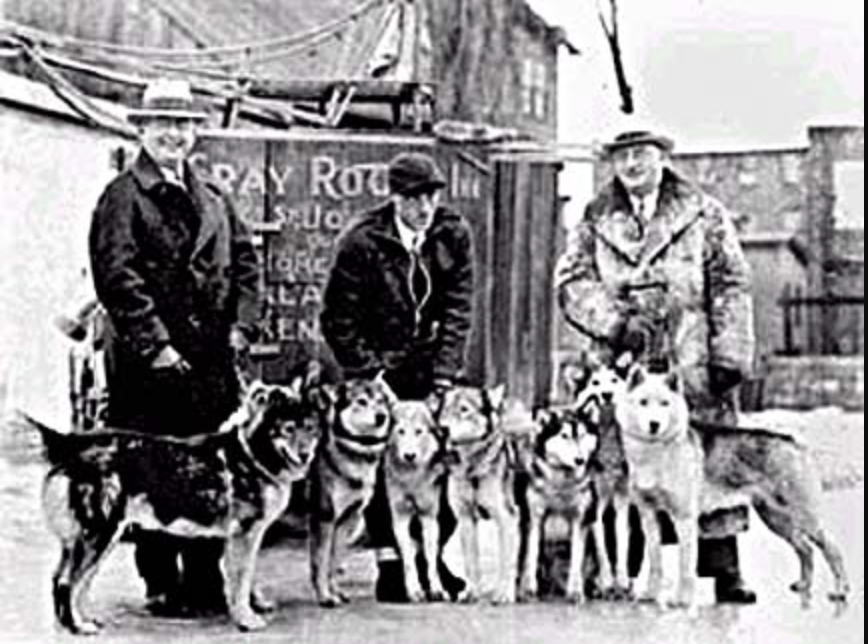
Photo thought to have been taken at the Laconia Sled Dog Derby. Dogs from left to right: Tserko, Bonzo, Toto, Snigruk, Smokey Of Seppala, an unknown dog and Kreevanka. All Siberians. (Elsie Chadwick Collection).
Seeley, whose Chinook Kennels helped shape early Alaskan Malamute and Siberian bloodlines and later supported military work and education, brought Malamutes to showcase their manageability and strength rather than to chase a win.
As popular as the sport was with spectators, it was less compatible with the Olympic movement’s direction. Dog sled racing in the 1930s was concentrated in North America with pockets in Scandinavia, and it lacked the kind of international federation and standardized global calendar the IOC was increasingly looking for in full medal sports. Many top mushers made their living racing for prize money and sponsorships, and that was at odds with the strict amateur code of the time. Add to that the cost and complexity of moving teams of six or seven dogs across oceans, and dog sledding remained exactly what it had been in 1932: a spectacular regional sport with its own thriving circuits, briefly showcased at the Games but never absorbed into the permanent Olympic program. Dog sledding didn’t so much disappear from the Olympics as it politely bowed out.
The 1932 Olympic demonstration may not have turned it into a medal sport, but it did something arguably more important: It fixed mushing in the public imagination as a legitimate, organized athletic pursuit rather than a regional curiosity. By putting elite teams from both sides of the border, the event validated the idea that sled dog racing had standards, stars, and a competitive culture. Rather than reshaping itself to fit Olympic amateurism and logistics, the sport continued to build its own circuits, traditions, and heroes. Long distance classics like the Iditarod Trail Sled Dog Race and the Yukon Quest owe more to that self-directed identity than to an Olympic legacy. The Lake Placid races remain a rare moment when the Olympic movement came to mushing—not the other way around—and then stepped aside, leaving the sport to define itself on its own terms.
We lack permission to share photos from that event, but you can see the 1932 Press Photo of Roger Haines’ Dog Sled Team Part that was part of the Exhibition at this link.
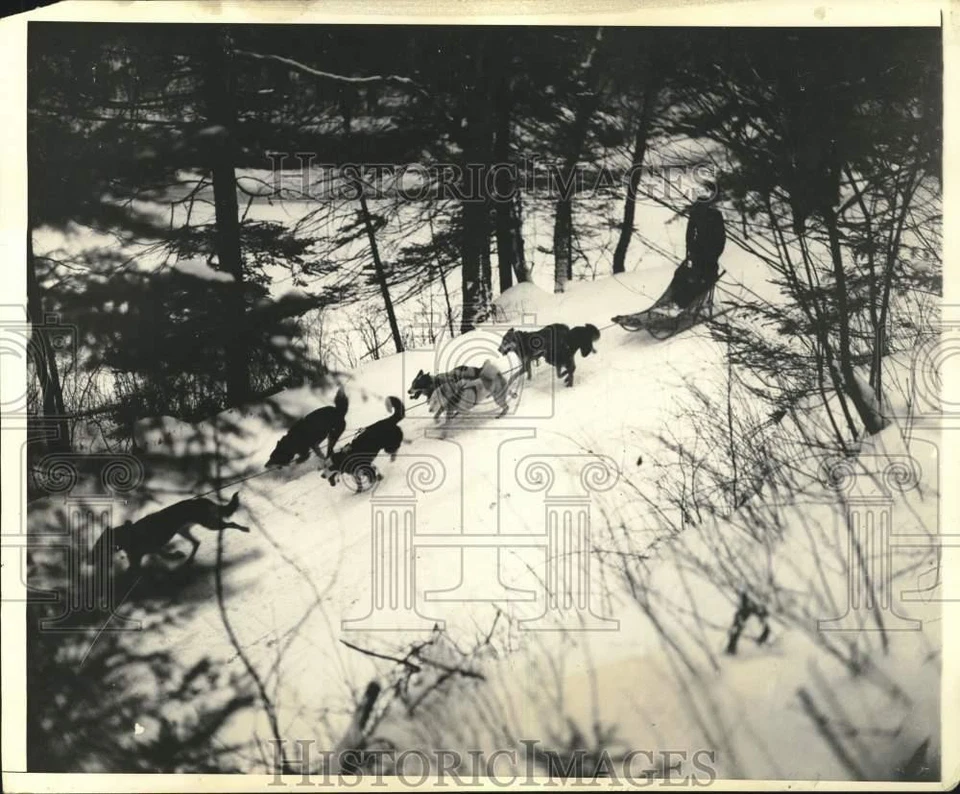
Click here to see another photo, this one in the IOC Olympic Museum.

Legendary Alaskan sled dog racer Leonhard Seppala is seen here with his team in Lake Placid (photo by Associated Press)

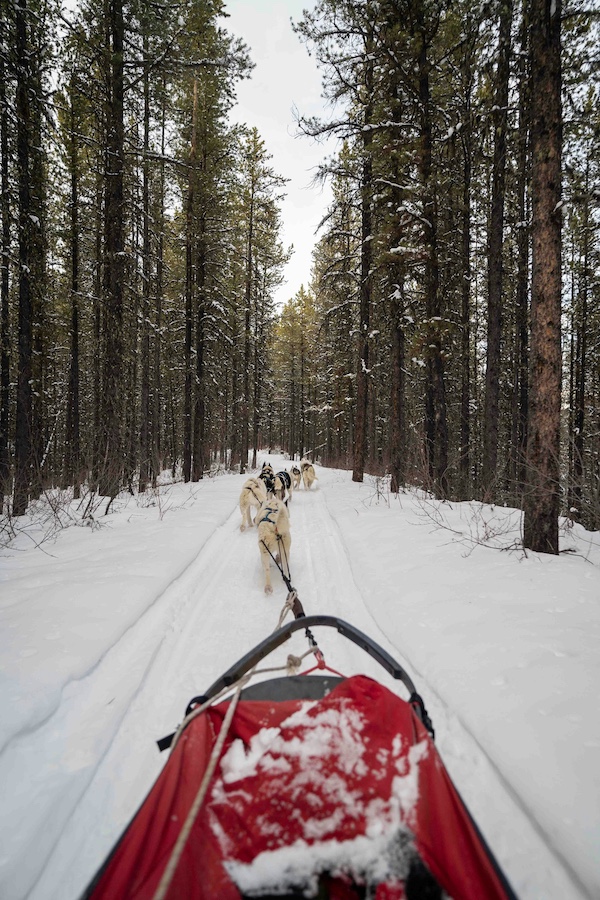
Top photo by Davey Gravy/Unsplash