
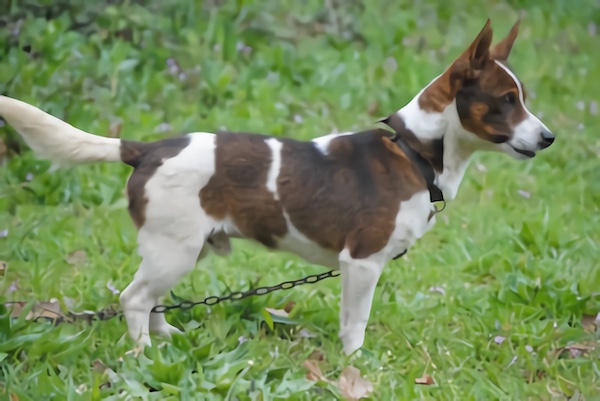
While much folklore surrounds its history (locally, these dogs were believed to possess a “sixth sense” for detecting danger, finding hidden game, or warning of ill omens on the mountain), reliable sources confirm the Guicho’s deep roots in the Celtic-influenced rural culture of Galicia (though evidence of Paleolithic or precise pre-Celtic ancestry is a bit speculative). What is clear is that the Guicho, like other Mediterranean and Atlantic warren hounds, developed a compact, lupoid/wolf-like physique well-adapted for hunting in challenging terrain.

The breed’s population flourished through the 19th century as a go-to companion for hunters. However, from the early 20th century onward—especially following the disruption of rural life and crossbreeding trends exacerbated by the World Wars—the Guicho’s genetic purity was severely threatened, bringing it to the brink of extinction by the late 20th century. Recognizing the need for urgent conservation, the Xunta de Galicia (the regional government authority that oversees the administration, legislation, and public services of Galicia) launched the “Recovery Plan for Native Breeds of Galicia” in 1999. Teams searched the countryside to find, identify and document surviving Guichos. In April 2001, the breed was formally recognized by the Xunta; a month later, national recognition followed by royal decree. To safeguard the breed’s lineage, a studbook was established that year, and the Club de Raza do Can Guicho ou Quisquelo was founded to promote recovery initiatives and breed awareness.
Sadly, and despite these efforts, the Guicho remains extremely rare as we write. While its relative, the Can de Palleiro, gained recognition from the Real Sociedad Canina de España (RSCE), the Guicho has not yet been nationally recognized, and its preservation continues to rely on regional clubs and dedicated enthusiasts.
We found a video of the breed – and while the music is a bit corny – the value is in the photographs:
In the coming days, we’ll be covering the remaining breeds of Galicia.