
There are times in researching purebred dogs when a folk tale surfaces as a surprising testament to a breed’s cultural significance – especially when it’s one’s own breed and the tale comes as something new. The story of “A Pulikutya,” or “The Puli Dog,” was exactly that kind of find for us. This folk tale has deep regional roots and traces back to Tyukod in Szatmár county where, in 1956, Kiss Miklós (also known as Pöntyöli) recounted it for the Hungarian folklore archive. Its folkloric credentials were formalized by the work of Kovács Ágnes, who cataloged the story under AaTh 652, confirming its typological standing in the world’s folklore indexes. (https://real-j.mtak.hu/27418/7/EM_2024_2.pdf)
The core of the “A Pulikutya” narrative weaves classic motifs found throughout Central European oral tradition. With a plot that involves transformation, mistaken identity, and miraculous intervention, it’s both recognizable in its themes and is distinctly Hungarian in the details. The story’s central character—a Puli (!) isn’t merely symbolic. The dog is pivotal to the resolution of familial and supernatural dilemmas.
The tale begins with legendary visitors (usually Jesus and Saint Peter in disguise) who eventually bestow unique blessings and set the stage for a chain of events in which loyalty, cleverness, and the unmistakable empathy of the Puli take center stage. The blend of the extraordinary with the ordinary marks the narrative as not just a curiosity but as cultural anchor for the breed because it puts the Puli in collective Hungarian memory as more than a working dog, but indeed, a figure of redemption and affection.
The reach of “A Pulikutya” went beyond archives; in 1979, the story was animated and broadcast as part of the beloved Magyar népmesék (Hungarian Folk Tales) television series. The episode, directed by Marcell Jankovics and produced by the storied Kecskemétfilm studio, brought the story (and the breed) into homes, though the Puli’s folkloric exploits were likely already familiar with Hungarian viewers. The adaptation preserved regional ornamentation while staying true to the spirit of the original story, a hallmark of Jankovics’s approach and an appreciated nod to his Hungarian cultural heritage. The animated episode is still listed in Jankovics’s filmography where it maintains its place in the official canon of Magyar népmesék, and is widely referenced in animation and folklore circles—a testament to the staying power of both story and breed.
You can still see the 10 minute animation on You Tube.
If you like our posts, leave us a tip to help pay our bills!
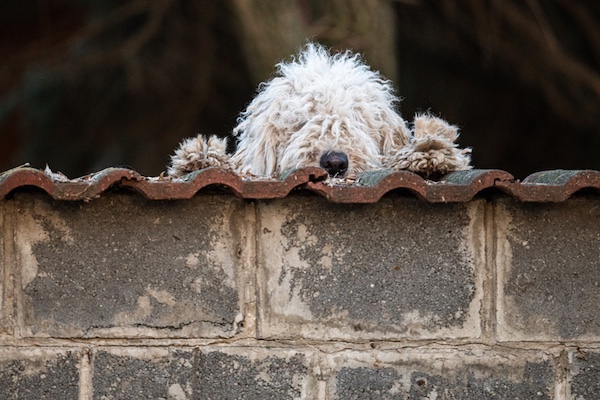
Image of a white Puli by Bertalan Soos/iStock