
See? This is what happens when a word-nerd writes content. We find a word, wonder if it shows up in any breed standards, and then wonder why – or why not.
Fun Fact: You probably knew that in Europe from the late Middle Ages through the early nineteenth century, men of all social classes wore breeches. As European society became more layered into classes, breeches became a powerful visual marker of status, largely determined by fabric and finish. Aristocrats and gentlemen wore carefully tailored breeches made from silk, velvet, or fine wool, often embellished with buttons, embroidery, or ribbon ties. Tradesmen and city workers wore sturdier (and more affordable) wool or leather versions, while farmers and laborers favored coarser, more durable—and cheaper—fabrics.
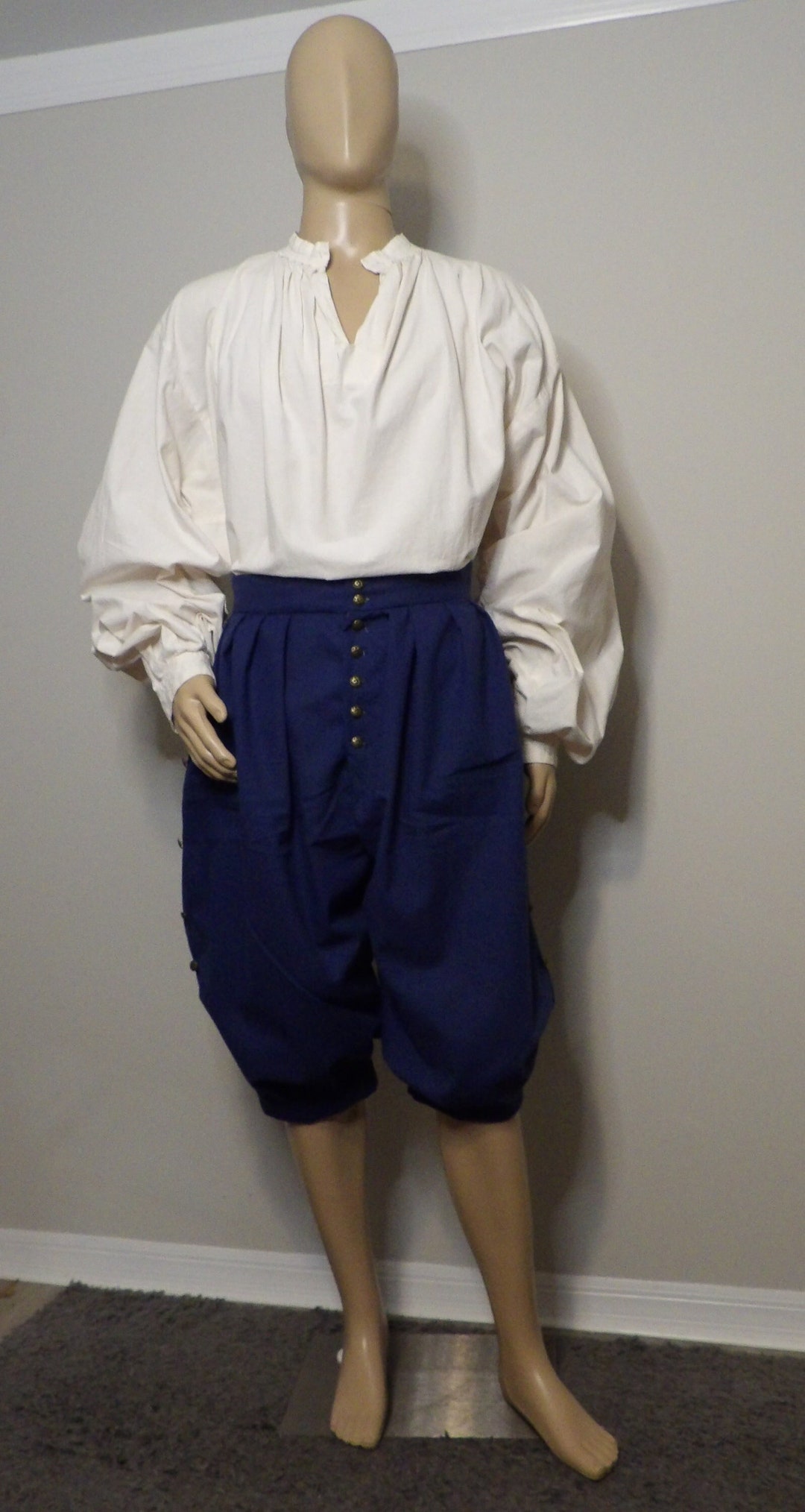
By the eighteenth century, breeches were telegraphing not just class, but one’s politics. In late eighteenth‑century France, long trousers were increasingly tied to working men and political radicals, while the nobility still clung to their fitted knee‑breeches (now called culottes). During the Revolution, refusing to wear breeches became a visual way of turning one’s back on aristocratic privilege.
By the nineteenth century, breeches had been largely relegated to military, equestrian, and sporting contexts. Watch any period drama on TV and you’ll spot the well-heeled wearing knickerbockers (knickers) for shooting or riding. As an aside, Knickers and breeches are related but they’re not identical; knickers are a later, specialized style within the broader historical category of breeches.
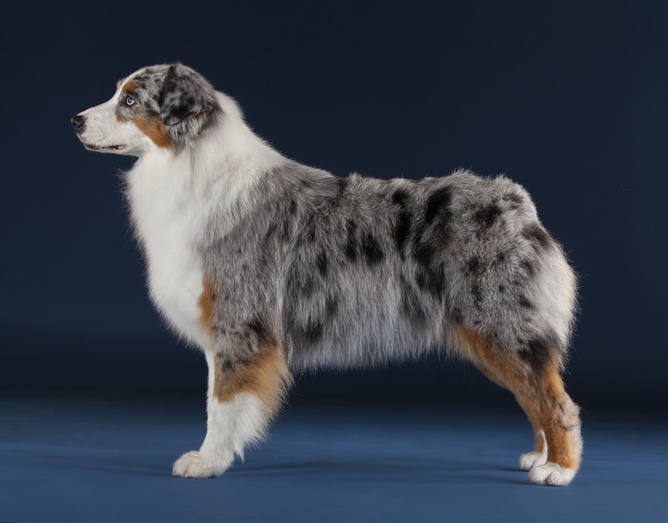
Today’s version of breeches is “britches,” and we chased this word down a rabbit hole after noticing that only two AKC breed standards mention “britches,” the Australian Shepherd (Australian Shepherd: Backs of forelegs and britches are moderately feathered) and the Tibetan Mastiff (The tail and britches are well feathered and the tail is carried over the back in a single curl falling over the loin, balancing the head; Tail and britches densely coated and heavily feathered).
In a breed standard, “britches” doesn’t literally refer to a dog’s clothing, of course, but as a descriptor of coat features, and specifically, longer hair on the rear legs or upper thighs of the dog that is fluffy or skirt-like. It is strictly supposition on our part that the word has been kept because it gives a clear (f not old‑fashioned mental picture) of a fuller, trouser‑like outline rather than just ordinary feathering.
Our photo of an Australian Shepherd taken by monicadoallo is only to illustrate breeches and not conformation.