The Fédération Cynologique Internationale thought they were the same breed.
Though the Karst Shepherd’s history dates back to the 15th century, between 1939 and 1968, it, along with the Šarplaninac, was classified as an Illyrian Sheepdog. In hindsight, the FCI couldn’t have been more wrong.
Still, from the registry’s vantage point in the 1930s, the two dogs looked like regional variants of the same old Balkan livestock guardian—and on paper, they were. In 1939, Yugoslav cynologists presented a single “Illyrian Shepherd Dog” to the FCI: a mountain guardian found in different massifs, doing the same job in the same general type — two regional “types,” not two separate breeds. Only later was the FCI persuaded by Slovenian experts that the Karst Shepherd and the Šarplaninac were distinct, independent breeds in their own right.
What persuaded the registry?
In the end, it was that the “two types” consistently behaved, bred, and looked like two different dogs, not simple north–south flavors of the same Illyrian shepherd. Slovenian cynologists were able to demonstrate that the Karst population in the Karst massif and the Šarplaninac population in the Šar Mountains had followed their own paths. While both live with their flocks, patrol the perimeter, and make independent decisions about threats, relying on size, presence, and confident displays rather than handler direction, they had different breeding areas, slightly different silhouettes and coats, and a distinct balance of temperament and working style shaped by their home terrain and local stock‑keeping traditions.
Let’s look at this a little more closely.
The Karst Shepherd is described as a courageous, reliable guardian that, in many working and farm contexts, will also help move or accompany stock and work a bit more closely with its shepherd. In the field, a good Karst accompanies the flock but he is relatively willing to adjust when a handler steps in, and that makes the dog useful on mixed farms where the same dog wears many hats. The ‘Karst’ is generally slightly smaller, and has a somewhat more agile frame compared to many Šarplaninacs, and this is revealed in quicker, more fluid patrolling, with frequent warning or territorial barking to signal and deter intruders before physical conflict becomes necessary. Around familiar people, many Karsts are plainly affectionate and engaging for an LGD, which helps them fit into the “family‑farm guardian” niche when their protective instincts and boundaries are respected.
The Šarplaninac, by contrast, is often described as a more implacable, aloof flock defender, especially in traditional working lines and environments. Its working focus tends to be directed very strongly toward livestock and territory, and while many modern Šarplaninacs do form deep bonds with their families, the classic picture is of a dog whose first concern is the stock it protects. In work, the Šarplaninac can be calm and almost statuesque when no danger is present, but once it decides there is a threat, it is prepared to stand its ground and, if necessary, fight with serious resolve. Handlers emphasize its strong independence and lower tendency, in traditional contexts, to look to humans for in‑the‑moment guidance, a virtue in remote, high‑predator mountain country but more demanding in modern hobby‑farm or semi‑urban settings.
On contemporary farms, a well‑selected Karst Shepherd is often the more adaptable dog, able to split time between flock guarding, property protection, and structured interaction with the family. The Šarplaninac remains very close to the classic image of the stoic Balkan mountain livestock guardian: a highly independent, sometimes stubborn dog whose priorities, especially in working lines, center on stock and territory rather than human social expectations. Both are serious working LGDs, but in everyday use the Karst tends to read as a dual‑purpose farm guardian–companion, while the Šarplaninac stands as the more single‑minded, old‑world flock defender of the high country.
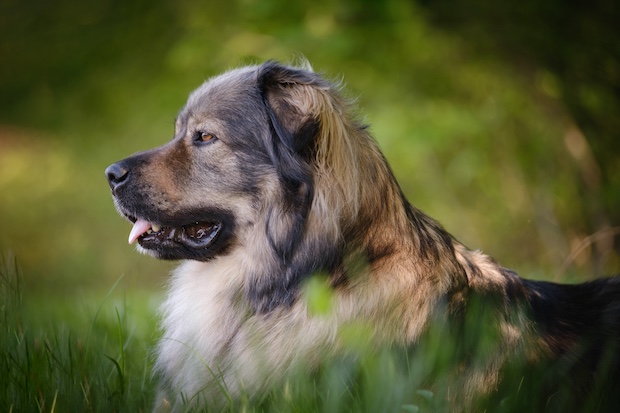
Image of Karst Shepherd by Vesna Kriznar/Adobe