When a modest $500,000-budget film turned into a spectacular $45 million grossing success, it made the canine star of the movie the highest-paid dog actor ever. Not bad for a shelter dog.
“Higgins” was adopted in 1960 at the Burbank Animal Shelter by animal trainer Frank Inn and went on to become an international superstar through the title role in the movie Benji. Though the shelter staff thought Higgins was a Border Terrier mix, Frank Inn believed he was actually a blend of several breeds, including Miniature Poodle, Cocker Spaniel, Schnauzer, and possibly some Tibetan Terrier. Either way, Higgins’ distinctive, scruffy, and enchanting look endeared him to millions of viewers.
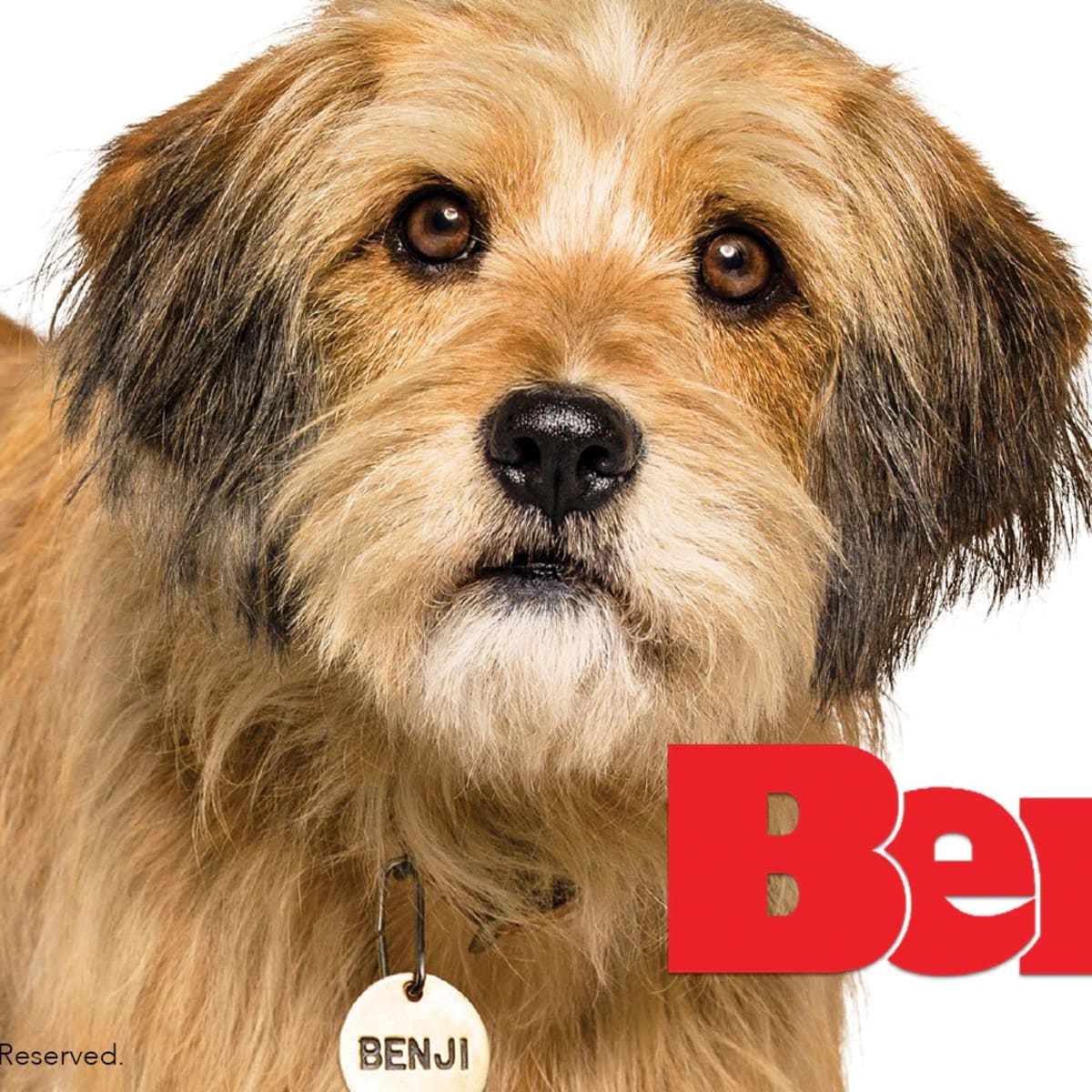
Higgins was already a seasoned actor by the time he was cast in Benji and, according to MediaFeed, is reported to have earned a total of around $1.2 million throughout his career. He had already starred in 149 episodes of Petticoat Junction, but it was the movie Benji that made him one of the top-paid animal actors of all time. For context, typical dog actor salaries in later years ranged from $400 per day to $5,000–$10,000 annually, suggesting Higgins’ earnings for Benji were exceptional for the era.
Higgins had come out of retirement to star in Benji and was (according to various sources) either 14 or 16 years old during filming. We found no documented cases of a dog starring in a leading movie role at an older age, so as far as we can tell, that makes Higgins the oldest dog to star in a movie, as well.
Hat tip to Frank Inn and Higgins for their accomplishments!
Other dogs who follow Higgins in terms of salary are purebred dogs. That said, determining the highest-paid dog actor after Higgins is challenging—and frustrating—because the older the movie, the less inclined movie directors and producers were to provide information about the dog.
Based on the data we did find, “Moose,” a Jack Russell Terrier who played “Eddie” in the TV series Frasier, is likely the highest-paid dog actor after Higgins. He earned $10,000 per episode from 1993 to 2004 across 192 episodes, meaning that his earnings could approach $1.92 million. His son, “Enzo,” took over in later seasons.

Next in earnings is “Rin Tin Tin.” The iconic German Shepherd earned $6,000 per week in the 1920s–1930s (roughly $78,000 today) for 26 Warner Bros. films. His owner reportedly amassed $5 million, but this was before Higgins’ era. Rin Tin Tin starred in films up to around age 13 before he died in 1932 at 14 years old.

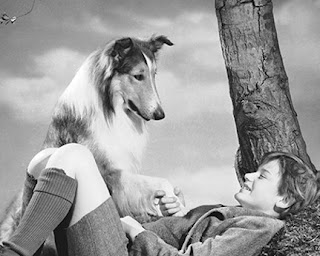
In the 1940s and 1950s, films like Lassie Come Home (1943) and the Lassie TV series earned “Pal,” a Collie, about $4,000 per week (equivalent to about $51,000 per week today). His career earnings could reach millions, but much of his work predates 1974, and exact totals are undocumented. Pal (the original Lassie) was 11 years old during his last feature film, The Painted Hills, and 14 years old during the Lassie TV pilot.
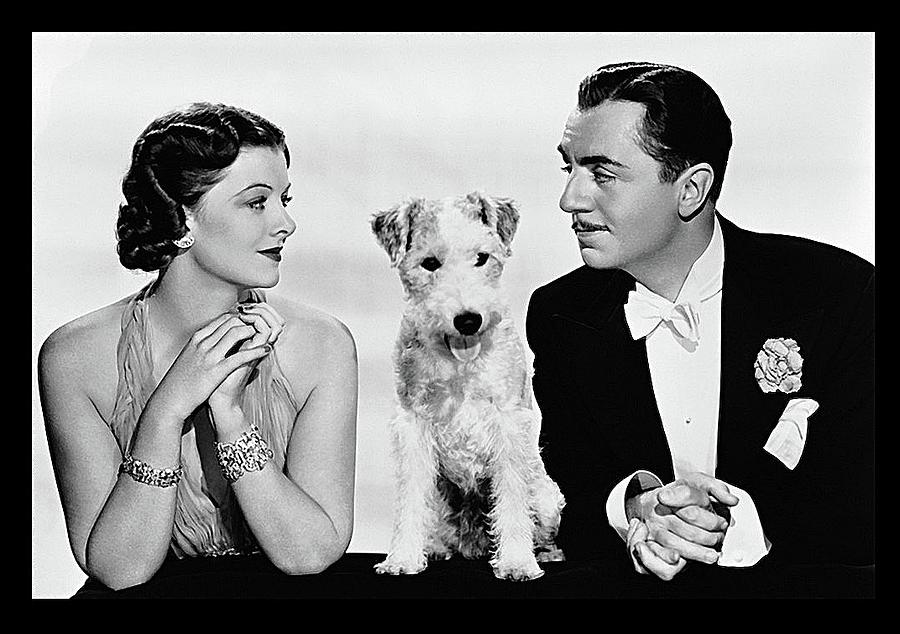
“Skippy,” a Wire Fox Terrier known for his comedic role of “Asta” in The Thin Man series, earned approximately $250 per week during The Thin Man (1934) and its sequels (After the Thin Man (1936), Another Thin Man (1939), etc.), totaling six films. Adjusted for inflation, $250 in 1934 is about $5,700 today (using CPI calculators). Skippy appeared in additional films like The Awful Truth (1937) and Bringing Up Baby (1938), and if we estimate 20 weeks of work per film across six Thin Man films (120 weeks), Skippy’s earnings for the series could be $30,000 in 1930s dollars ($684,000 today). Including other films and endorsements (e.g., dog food commercials), his career earnings would likely range from $750,000 to $1 million in modern terms, though exact totals are undocumented due to (again) sparse historical records.
“Terry,” the Cairn Terrier who played Toto in The Wizard of Oz, was 6 years old during filming in 1939 and lived to 12. She earned $125 per week in 1939 (or about $2,700 today) for The Wizard of Oz and other films, but her total earnings across multiple roles are unlikely to approach Higgins’ $1.2 million.

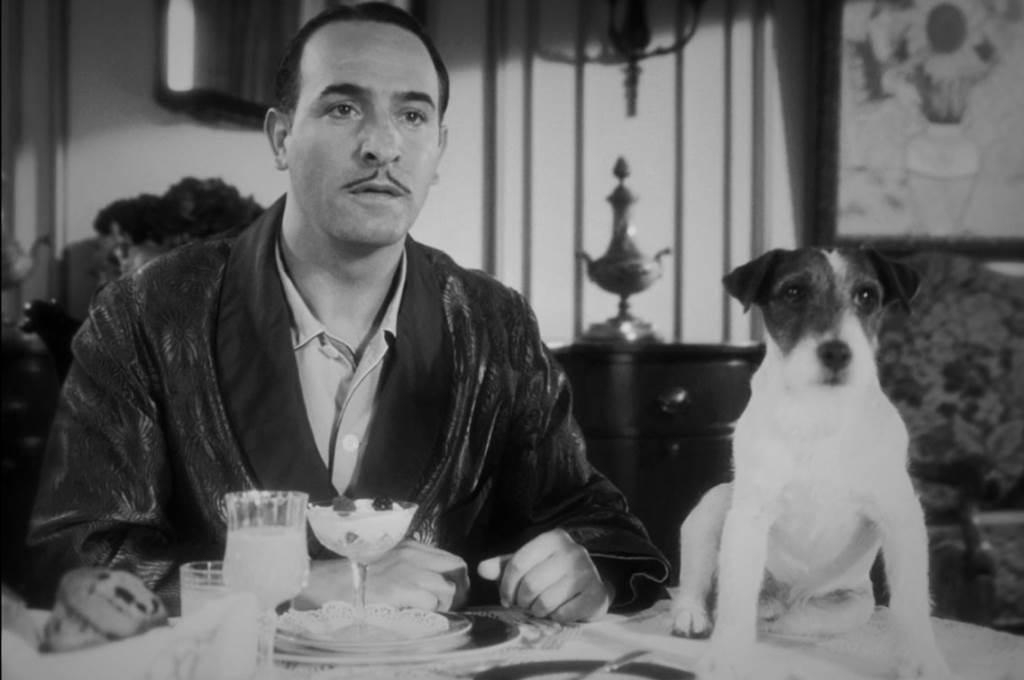
We have to include “Uggie,” who played “Jack” in the 2011 film The Artist. A Parson Russell Terrier adopted and trained by Omar Von Muller, Uggie earned widespread acclaim, winning the Palm Dog Award at Cannes and the Golden Collar Award. Reports suggest he earned $600,000 for The Artist, though some sources cite a lower $35,000, reflecting the lack of precise public records. Uggie also appeared in Water for Elephants and commercials, often working grueling 15-hour days. Despite his fame, his cumulative career earnings likely fall short of Higgins’ $1.2 million or Rin Tin Tin’s millions, making him a significant but comparatively modest earner. Uggie retired in 2012, celebrated with a historic ceremony at Grauman’s Chinese Theatre, where he became the first dog to leave paw prints in cement.
*Our post title,
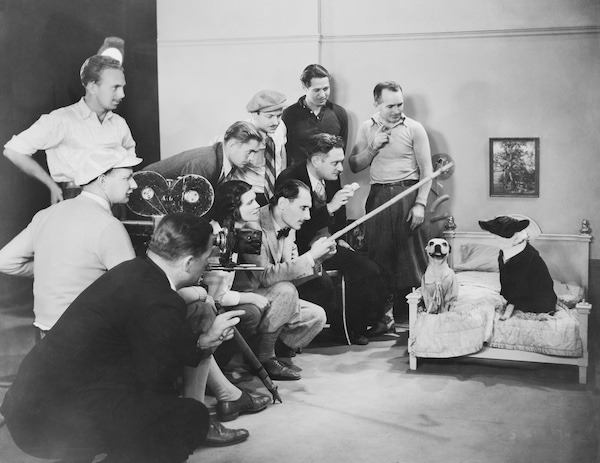
Image: “Coaxing a Performance” by everett225/DepositPhotos