We base many of our posts on questions we get from readers; some questions are head scratchers that send us into deep dives of research, while other queries seem easy to answer at first — but end up being good lessons for all of us.
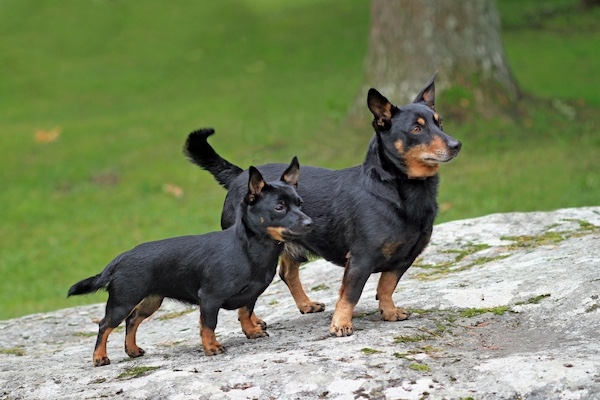
Let’s talk about the Lancashire Heeler, a dog in which males stand no taller than 12 inches at the shoulder. It seems counterintuitive to ask a dog of this size to drive heavy cattle, especially in light of the fact that the AKC breed standard calls for “small, firm and well padded” feet. Wouldn’t you want a dog that works with big beasts in paddocks or on the move to have big meaty paws for maximum traction?
In fact, the opposite makes more sense when we look at how a Lancashire Heeler works. Small feet are actually a survival mechanism built right into their anatomy that helps this low, quick, “hit‑and‑run” heeler slip in close, deliver a well-timed nip, and be gone before a hoof can place a knockout punch between the eyes. Smaller tighter feet reduce the amount of paw exposed around heavy feet and flying hooves, and they let the dog pivot and change direction in an instant.
If you’ve ever bought tires for different types of vehicles, the following will make sense to you. Your heavy 4×4 pickup truck needs massive, wide tires designed to claw through deep mud and pull immense weight. That’s your large drover dog—built for strength and slow, steady traction. But a Lancashire Heeler is a nimble Mini Cooper, a car that darts, twists, and gets into tight spaces. Remember this scene from the movie, “The Italian Job?”
The driver didn’t put giant mud-flaps and oversized tires on her car to make it incredibly responsive. Think of small, tight feet are the low-profile performance tires for this breed. To stay with the car analogy, these feet reduce the footprint, crisp up the handling, and ensure that when the dog hits the gas to escape a flying hoof, there is zero lag between the brain and the pavement.
Let’s remember, too, where this breed originated because environment so often shapes our breeds. The Lancashire originated in (wait for it) Lancashire, England! It’s an area known for wet, muddy terrain, and on this ground, large, flat pontoon-like paws act like snowshoes. They scoop up mud, get heavy, and are more likely to catch on roots, stones, holes, and rough ground. Tight, small feet present less surface area and are generally less prone to trauma. For a dog expected to work around livestock hooves, durability mattered.